
Notes from building Yekar.AI
What we learned putting agents to work.
Engineering decisions, product thinking, and the unglamorous parts of running agents in production - written for the people who have to operate them.
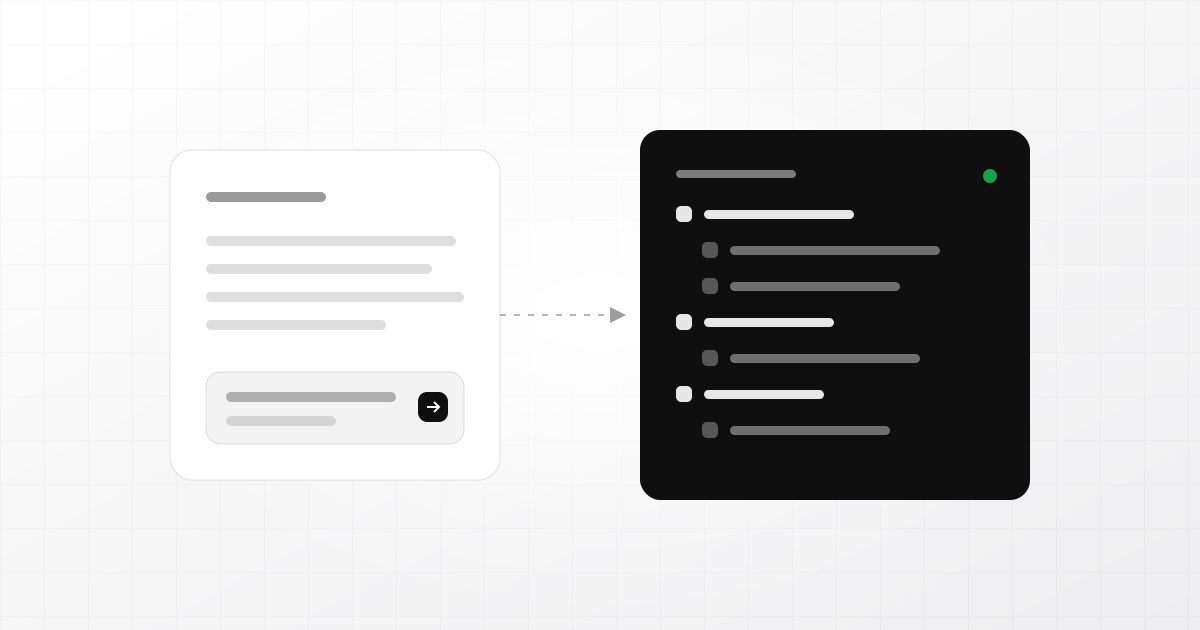 LatestDescribe the agent, then read what you gotDescribing an agent in a sentence is the easy part. What matters is being able to read, question and change what that sentence turned into.Read the post
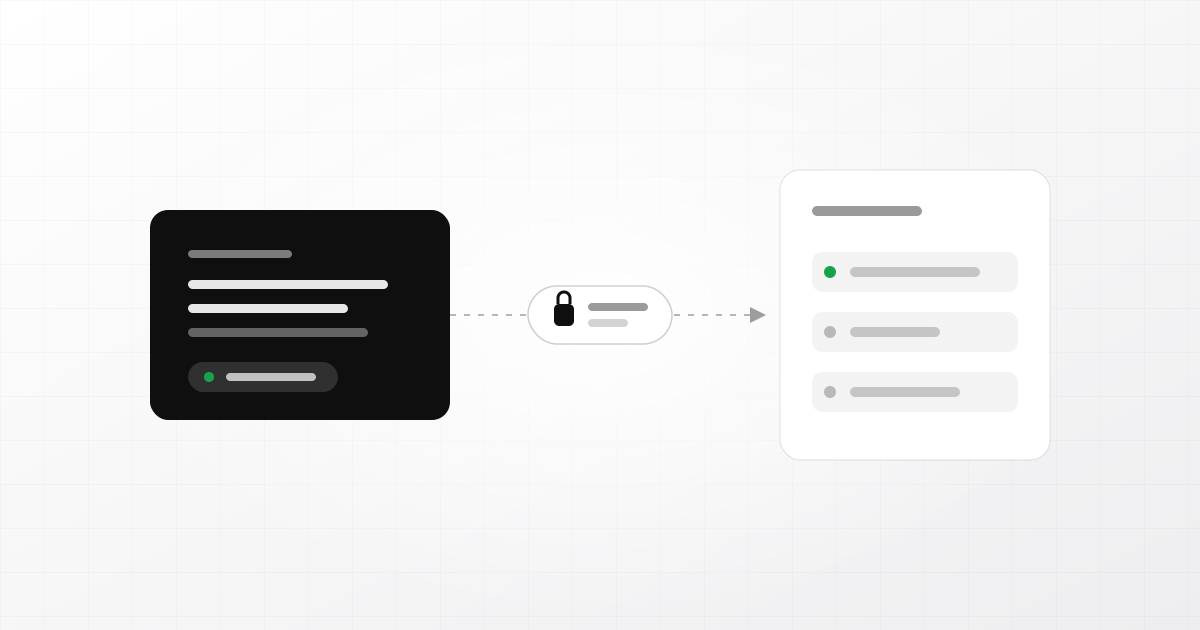 A webhook is a claim until it is signedWhen an agent finishes its work, something has to tell your systems. That message is only as trustworthy as your ability to prove where it came from.Read the post
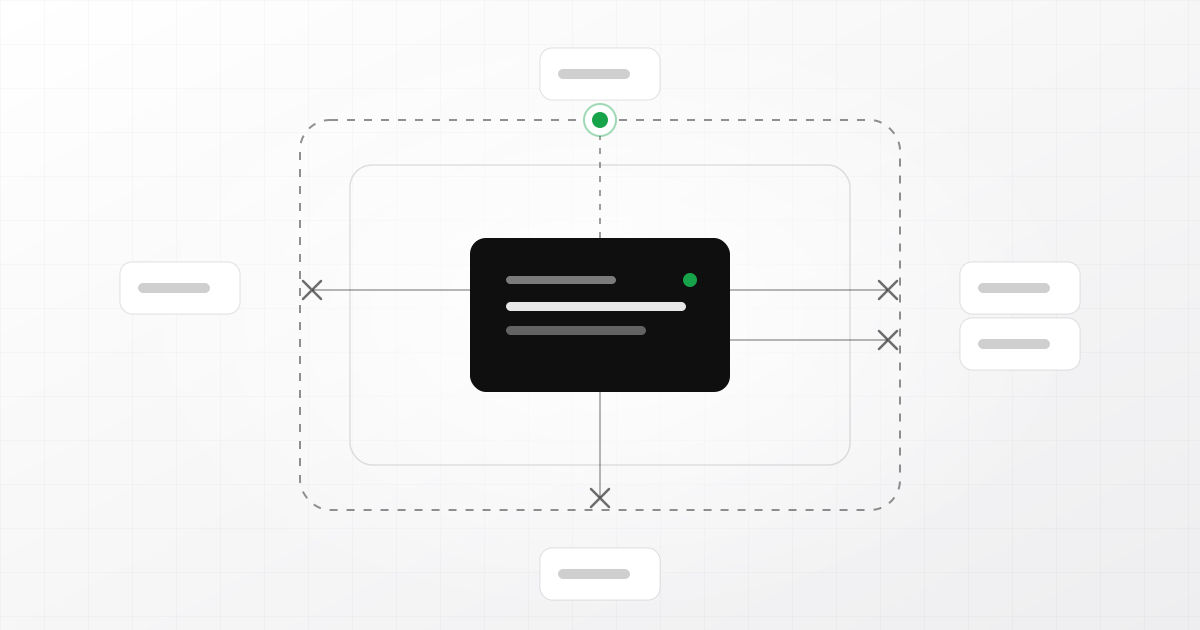 What an agent can reach when nobody is watchingSome of what an agent reads will contain instructions you did not write. The safe assumption is that one day it will follow them - and should find the door closed.Read the post
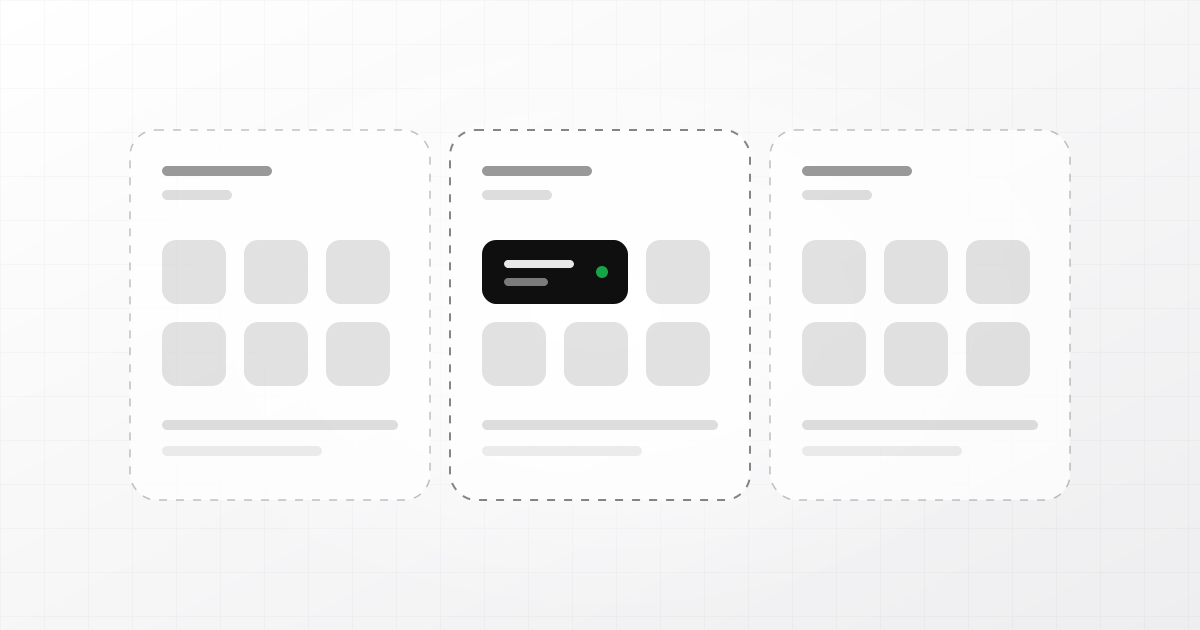 Draw the boundary before you build the agentThe first question about a new agent is usually what it should do. A better first question is where it lives, and what it shares with its neighbours.Read the post
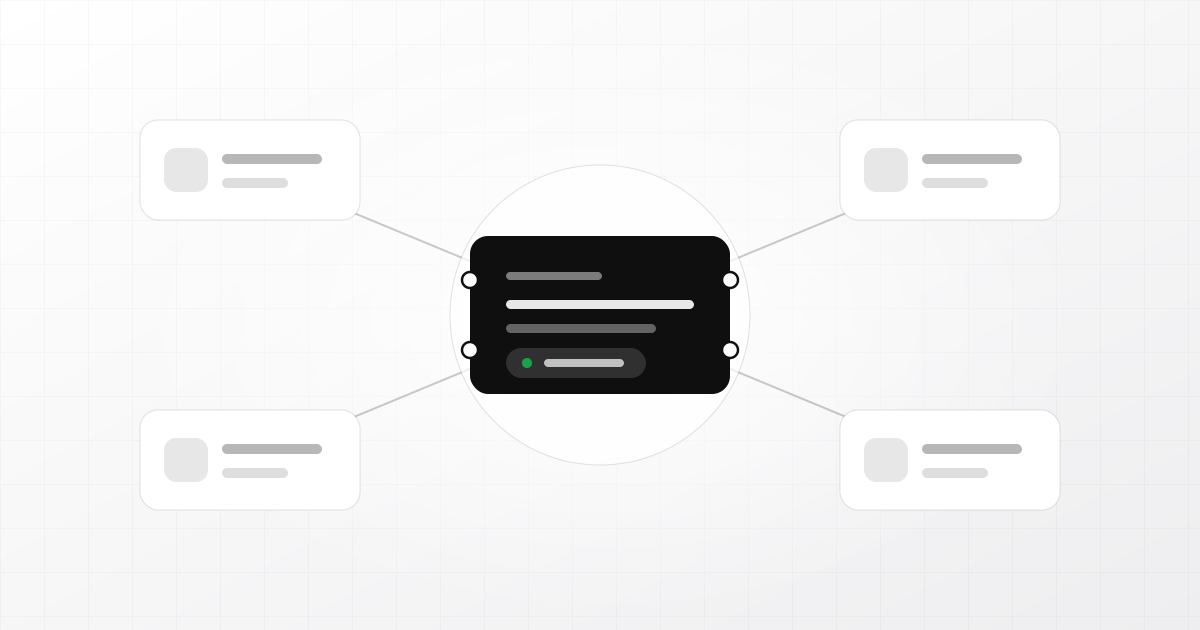 An agent your other tools can callMost talk about MCP is about what an agent can reach. The other direction is at least as useful: the agent itself, offered as a server to the clients your team already works in.Read the post
 Putting agents inside your own productYour customers do not want to visit an agent platform. They want your product to do more. What it takes to run agents for other people's users, behind your own interface.Read the post
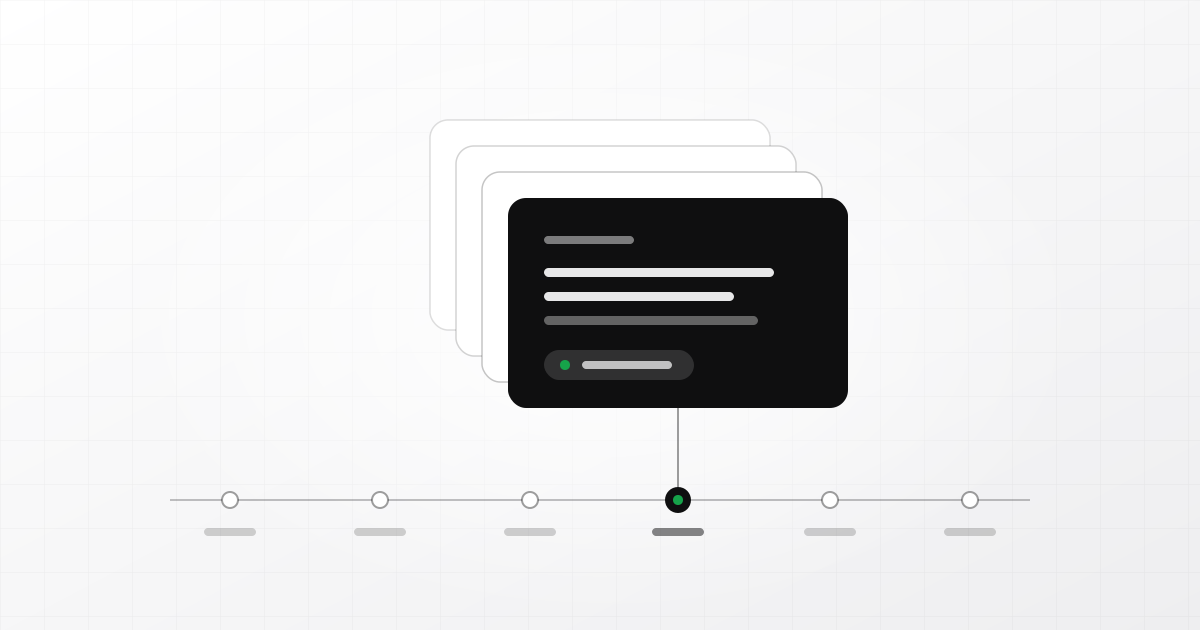 Which version of the agent said that?An agent is its configuration, and configuration changes. If you cannot say which version produced an answer, you cannot say whether the problem is already fixed.Read the post
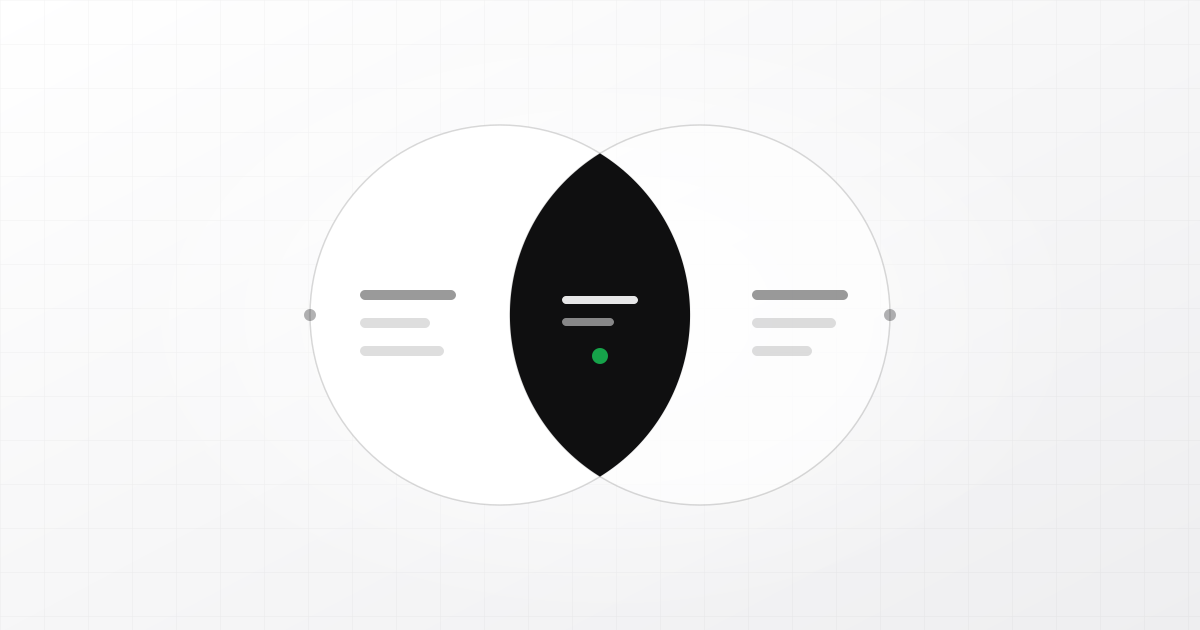 Authority and intent are different questionsWhether an agent is allowed to do something and whether anyone wanted it done are two separate checks. Most approval designs blur them, and that is where the surprises come from.Read the post
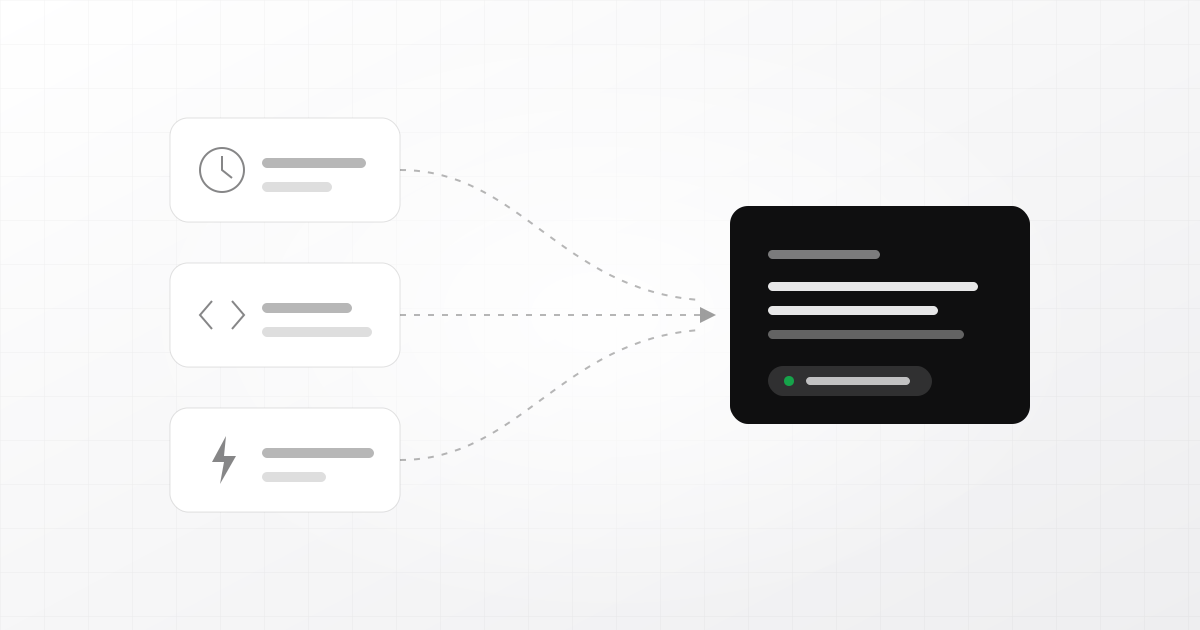 The chat box is the least interesting way to start an agentMost real work does not begin with someone typing a question. It begins at 6am, or when a payment fails, or when another system calls yours. Agents should start the same way.Read the post
 A budget is a control tooA runaway agent rarely does anything dramatic. It just keeps going, and you find out from the invoice. Why spend belongs beside approvals in an agent's configuration.Read the post
 What we mean by an agent management system?Building an agent is the easy half. The hard half is everything that decides whether you can leave it running: identity, approvals, triggers, and a record of what it did.Read the post
 Knowledge that cites its sources - and admits when it has noneRetrieval that always returns something is retrieval that will eventually invent something. Here is how we made an agent's knowledge answer with a page number, or not at all.Read the post
 Agents fail in production for boring reasonsNot hallucination. Expired credentials, a schema the model half-remembered, a tool that silently returned nothing, and a retry that ran the same payment twice.Read the post
Start with the job
See how Yekar.AI would run one of your real processes.
Bring the job, the systems it touches, and the decisions that need a person.